
Biodiversity Basics
These are native plant species that support different animal groups important to North Alabama's biodiversity. Each group showcases some of the best native plants for increasing species populations, with an emphasis on affordability, easy sourcing, and ecological impact.
Butterflies
Goals: Nectar-rich flowers + larval host plants
-
Milkweed (Asclepias tuberosa) – Host plant for monarchs
-
Coreopsis (Coreopsis lanceolata) – Long-blooming and cheerful
-
Pawpaw tree (Asimina triloba) – Zebra Swallowtail host, affordable as a sapling
-
Lantanas (Lantana camara) – Nectar rich, popular garden plant
-
Wild Bergamot/Bee Balm (Monarda fistulosa) – Supports multiple pollinators
Bees
Goals: Continuous bloom, easy landing spots, single flowers (not double)
-
Purple Coneflower (Echinacea purpurea) – Long bloom time, attractive to many bee species
-
Black-eyed Susan (Rudbeckia hirta) – Hardy and drought-tolerant
-
Sundrops (Oenothera fruticosa) – Vibrant and beneficial for bees and other insects
-
Yarrow (Achillea millefolium) – Spreads easily, low maintenance
-
Goldenrod (Solidago spp.) – Late-season nectar source
Songbirds
Goals: Berries, seedheads, cover for nesting
-
Purple Coneflower & Black-eyed Susan – Provide seeds in fall
-
American Beautyberry (Callicarpa americana) – Colorful, easy to grow
-
Serviceberry (Amelanchier arborea) – Small tree, blooms early, edible berries
-
Switchgrass (Panicum virgatum) – Nesting cover and seeds
-
Virginia Creeper (Parthenocissus quinquefolia) – Fast-growing vine, good berries
Fireflies
Goals: Moist soils, leaf litter, nighttime-friendly spaces
-
Wild Strawberry (Fragaria virginiana) – Spreads well, low-growing
-
Ferns (e.g., Cinnamon Fern) – Prefer shady, damp areas
-
Sensitive Fern (Onoclea sensibilis) – Good for damp corners
-
Blue-eyed Grass (Sisyrinchium angustifolium) – Grass-like with tiny flowers
-
Golden Ragwort (Packera aurea) – Semi-evergreen groundcover
Hummingbirds
Goals: Tubular red blooms, long bloom period, nectar source
-
Cardinal Flower (Lobelia cardinalis) – Bold red tubular flowers; thrives in moist soil and partial shade
-
Coral Honeysuckle (Lonicera sempervirens) – Native vine with red-orange blooms; long blooming season; attracts hummingbirds without spreading invasively
-
Beebalm (Monarda didyma) – Bright, nectar-rich blooms in red or pink; supports hummingbirds and pollinators; prefers moist, sunny areas
-
Trumpet Creeper (Campsis radicans) – Vigorous climber with orange-red trumpet flowers; loved by hummingbirds; best used in controlled spaces
Beneficial Insects
Goals: Support predatory and parasitic insects, dense nectar, multi-season bloom
-
Golden Alexanders (Zizia aurea) – Host plant for black swallowtail caterpillars
-
Yarrow (Achillea millefolium) – Flat-topped blooms attract lacewings, hoverflies, and parasitic wasps; drought-tolerant and long-blooming
-
Mountain Mint (Pycnanthemum virginianum) – Dense nectar source for beneficial wasps, bees, and flies; aromatic and deer-resistant
-
Blue Mistflower (Conoclinium coelestinum) – Late-blooming nectar plant that draws in predatory flies and native bees
Bats
Goals: Evening bloomers, night-pollinator support, insect-attracting plants
-
Evening Primrose (Oenothera biennis) – Opens at dusk, self-seeds
-
Common Yarrow – Brings in insects
-
Wild Petunia (Ruellia humilis) – Compact and colorful
-
Tall Phlox (Phlox paniculata) – Good scent for night insects
-
Blue Vervain (Verbena hastata) – Long bloom and supports moths
Coreopsis lanceolata


Monarda fistulosa

Callicarpa americana
Packera aurea


Lobelia cardinalis

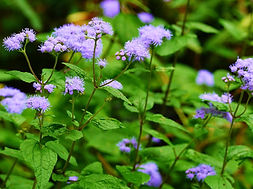
Conoclinium coelestrinum
Ruellia humilis
Interested in creating a custom biodiversity garden tailored to your space? Let’s design a native planting plan that supports local wildlife and fits your goals, reach out to get started!